
Dear Worry
Dallas

Dear Worry,
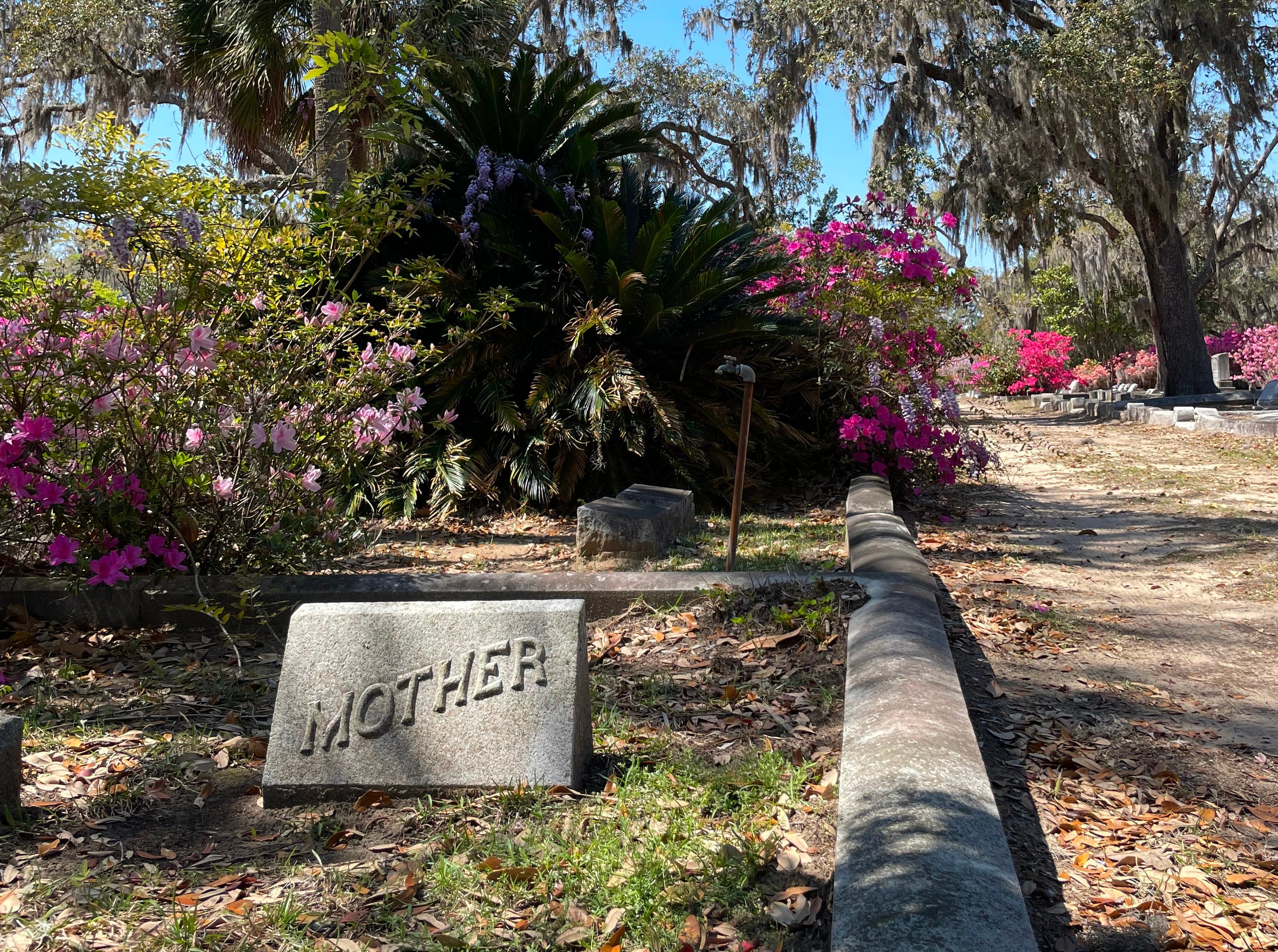
On the way home from visiting my mom in Savannah, I met a woman named Sherry in the Dallas airport. She got a burrito from Moe’s, because they used to have one Lubbock, but they don’t anymore, and I got a salad out of a machine. We’d both made a beeline for the same, small, slimy table in the middle of the open-air-food-court, when we caught each other’s eye and nodded to share.
Within two bites and introductions, she let out that her mom passed a year ago, and she’d been in charge of her care. It had fallen on her to do it— her mom’s only living child.
She asked me how things were going with mine, but I hesitated. I wanted to be honest, but not necessarily as raw as I felt. After chewing a bit extra I said, “My mom can say some terrible things— or not say anything about the most important things. I’m trying to figure out how to give her dignity, while making sure I go relatively unharmed.”
She smiled. “Narcissism,” she said. Just like that.
Around us, Food Court patrons chattered and shuffled and stared at their computers.
Sherry. She had large watery blue eyes, short blond hair, and her hands shook a little as she pressed plastic-wear into the heft of her burrito. “I was just camping with my husband at Lake Aubrey,” she said, which made the floor give way underneath me. It was my dad’s name. Not Lake—although I really like that—but Aubrey, and it was unusual to be in conversation with someone and have his name spoken so casually. It got my attention. Like a little bell dinging in the distance. “Wake up!”
She went back to asking me about my mom.
I was conservative. I said specific things as vaguely as I could. I told her mom was alone. Her partner of fifteen years had just moved into care. I was trying to get her to accept help and running into some hurdles. Sherry nodded, looked off into the akashic distance, and after a breath or two, told me about a judge who’d taken pity on her, because her mom was a particular kind of case—a particular kind of person. There’d been a social worker who’d worried about her—Sherry—because her mom was just “so mean.” I ached for her her. A privately held mother-daughter-dynamic suddenly on full display at the end of life.
At the end of the damn thing.
We talked about aging.
I said some bullshit about how unusually cruel our mom’s part of life was—the body just giving way, over and over and over again.“ Birth could be so clean. So quick,” I said. I felt the sensation inside like maybe I was on to something, but my line of reasoning dissipated pretty quickly. It’s all aging. Isn’t it? And learning how to live.
“For our part of life…” we both kept talking— meandering around the entirety of the thing—there was this experience of helping our mothers die, regardless of who they were. Then, the inevitable worry that our children would feel the same way about us. Were there measures one could take? What would we do about any of it, if we could? We conspired. Saying things in secret. Saying things that we’d carried there, all of our life’s miles, to Dallas.
Sherry’s soulful eyes looked out toward a window just beyond the Cool River Cafe where planes drove by, and men bustled little car-trains of suitcases back and forth like a from a page of Richard Scarry.
“I just want a few good years, you know?” she said.
Yes. I did know.
She stood. Pushed in her chair and wiped down the table with a napkin. “Good luck, you’re going to need it,” she said, thoughtfully and with care. She was kind, and soft, and wise, and giving, and gave me what I needed most.
A little mothering from the universe.
Love,
Kris
Thank you for sharing this
Thanks for sharing this moment.